

- Published:
- Thursday 9 April 2026 at 9:21 am
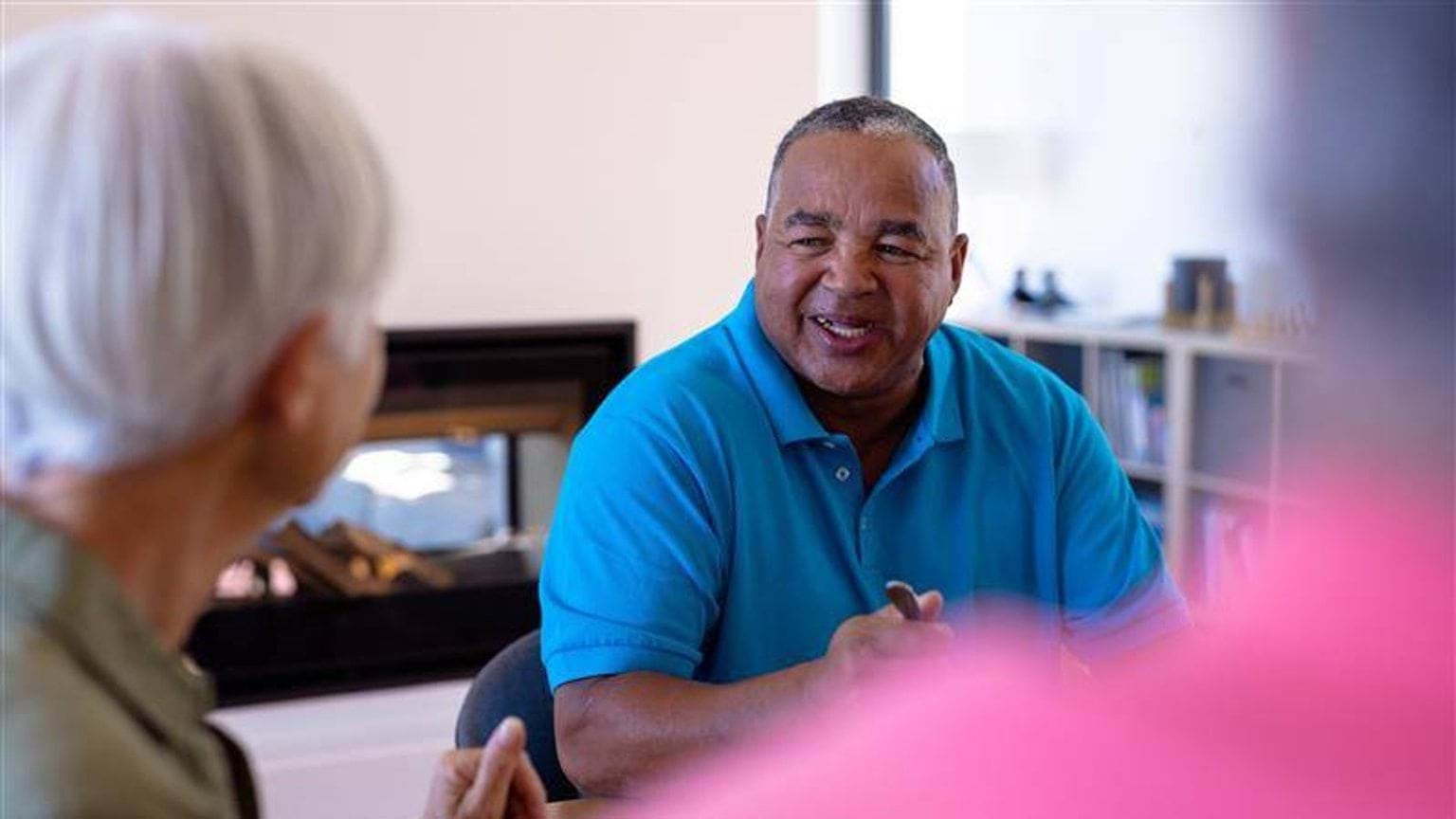
April No Falls Month is an annual campaign promoting awareness, education and evidenced based strategies to reduce falls and fall-related injury. This year’s focus highlights the updated National Falls Prevention and Management Best Practice Guidelines across community, hospital and residential aged care settings.
Falls remain the leading cause of injury related hospitalisation and death in Australia. The latest data from Australia and New Zealand Falls Prevention Society (ANZFPS), shows that around 30% of older adults, who are 65+ years, experience at least one fall per year, with 15% suffering serious injuries including serious fractures.
Falls are costly to the Victorian public health system. According to the Victorian Injury Surveillance Unit, falls among older Victorians aged 65+ years accounted for $504.6 million of inpatient hospital costs in 2020-21 alone.
The incidence of falls injuries is expected to increase as Victoria’s population ages. April No Falls Month encourages falls prevention programs to reduce falls incident rates and prevent strain on Victoria’s public health system.
Updated national guidelines and alliance
Preventing falls is a shared responsibility across the healthcare system. Healthcare professionals can play an important role in reducing falls. This can be done by applying best practice guidelines, talking to patients about prevention strategies, and connecting them with local services.
In June 2025, The Australian Commission on Safety and Quality in Healthcare (ACSQHC) released the updated National Falls Prevention and Management Best Practice Guidelines.
Along with the launch of the updated guidelines, the Falls Prevention Alliance Australia was established as a national collaboration and advocacy hub. The Alliance seeks healthcare professionals, researchers and policy makers to join for advocacy for policy change and promotion of evidence-based falls prevention interventions.
Partnering with older Victorians to prevent falls
Most falls are preventable, with around 90 per cent of falls occurring at home or in the community. Healthcare professionals can help older Victorians to reduce their risk of fall-related injury by guiding them through five simple steps:
- encourage them to exercise and stay active and independent
- suggest they review their homes and surroundings for trip hazards, and installing grab rails in high-risk areas like bathrooms and stairs
- support them in managing medications, both prescription and non-prescription
- remind them to have regular eye, ear, and foot checks with their optometrist, audiologist and podiatrist
- encourage them to talk about their risk of falling and supportive falls prevention strategies before it happens with their families, friends and carers.
For more information on how to prevent falls at home or in the community, visit the preventing falls at home Better Health Channel page.
Updated