

Victorian families are being urged to ensure children under five are protected against serious illness this winter by arranging a free flu vaccine ahead of the 2026 peak season.
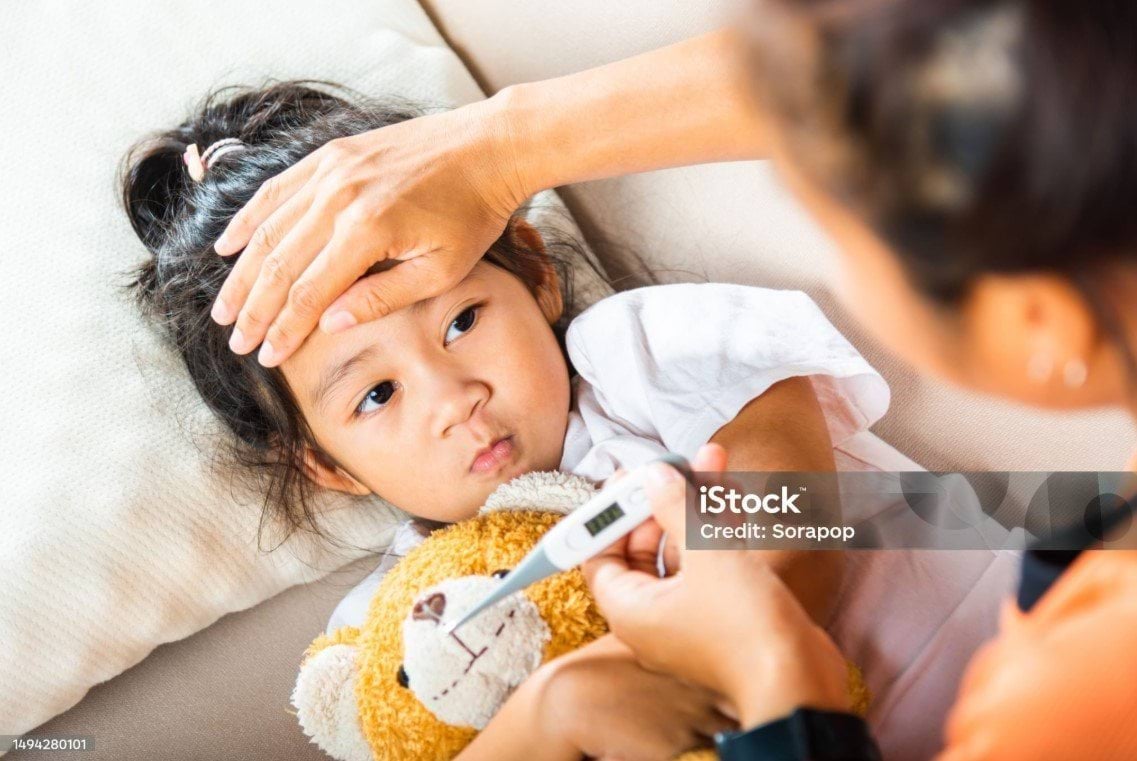
While vaccination is recommended for anyone aged six months and older, Victorian Chief Health Officer Dr Caroline McElnay warns it is especially critical for children under five, who are more likely to experience severe flu symptoms that may require hospital treatment.
“For our youngest children, the flu can be far more serious than a few days at home unwell – it can be life-threatening.”
“Vaccinating kids under five is one of the most important things families can do to keep them healthy and out of hospital this winter.”
“Flu vaccines are completely safe, effective and free for children under five years,” Dr McElnay said.
The flu vaccine is free for at-risk groups including children aged six months to five years, people over 65 years, pregnant women, Aboriginal and Torres Strait Islander people, and people with medical conditions that put them at increased risk of severe flu.
Dr McElnay said getting vaccinated early provides the strongest protection against serious illness as flu activity increases heading into winter.
“The earlier you get vaccinated, the better your protection will be as we move into winter. A quick appointment now can make a big difference to your health and the health of those around you.”
It’s important to get vaccinated against influenza every year as the virus changes throughout the year changes and new vaccines are developed for the following winter season, she added.
“Having an annual flu vaccine will not only reduce your chances of catching the flu but also reduce the severity of your illness if you become infected,” Dr McElnay said.
The vaccine is available across general practices, pharmacies, local council immunisation clinics, Aboriginal Health Services and often at workplaces.
Flu vaccines can be given at the same time as other National Immunisation Program vaccines, such as the free maternal RSV vaccine, whooping cough and the COVID-19 booster.
As well as vaccination, simple steps can help stop the spread of respiratory illnesses such as hand washing, coughing or sneezing into your elbow, wearing a mask, and staying home when sick.
More information on flu vaccination is available on Better Health Channel.
Reviewed 08 April 2026
Health.vic
-
- Hospitals & health services
- Public hospitals in Victoria
-
- Rural health
- Improving Access to Primary Care in Rural and Remote Areas Initiative
- Rural x-ray services
- Rural health regions and locations
- Rural and regional medical director role
- Victorian Patient Transport Assistance Scheme
- Rural and isolated practice registered nurses
- Urgent care in regional and rural Victoria
-
- Private health service establishments
- Private hospitals
- Day procedure centres
- Mobile health services
- Fees for private health service establishments in Victoria
- Design resources for private health service establishments
- Professional standards in private health service establishments
- Legislation updates for private health service establishments
- Complaints about private health service establishments
- Cosmetic procedures
- Guideline for providers of liposuction
- Private hospital funding agreement
-
- Primary & community health
- Local Public Health Units
-
- Maternal and Child Health Service
- Nursery Equipment Program
- Maternal and Child Health Service Framework
- Maternal and Child Health Service resources
- Child Development Information System
- Early parenting centres
- Maternal Child and Health Reporting, Funding and Data
- Baby bundle
- Sleep and settling
- Maternal and Child Health Workforce professional development
- Aboriginal Maternal and Child Health
-
- Public health
-
- Cemeteries and crematoria
- Cemetery trust member appointments
- Cemetery search
- Cemeteries and crematoria complaints
- Cremations
- Exhumations
- Governance and finance
- Cemetery grants
- Interments and memorials
- Land and development
- Legislation governing Victorian cemeteries and crematoria
- Cemeteries and crematoria publications
- Repatriations
- Rights of interment
-
- Medicines and Poisons Regulation
- Patient Schedule 8 treatment permits
- Schedule 8 MDMA and Schedule 8 psilocybine
- Schedule 9 permits for clinical trials
- Documents and forms to print or download
- Legislation and Approvals
- Frequently Asked Questions - Medicines and Poisons Regulation
- Health practitioners
- Licences and permits to possess (& possibly supply) scheduled substances
- Medicinal cannabis
- Pharmacotherapy (opioid replacement therapy)
- Recent updates
- SafeScript
-
- Environmental health
- Improving childhood asthma management in Melbourne's inner west
- Climate and weather, and public health
- Environmental health in the community
- Environmental health in the home
- Environmental health professionals
- Face masks for environmental hazards
- Human health risk assessments
- Lead and human health
- Per- and poly-fluoroalkyl substances (PFAS)
- Pesticide use and pest control
-
- Immunisation
- Respiratory syncytial virus (RSV) immunisation
- Seasonal influenza vaccine
- Immunisation schedule Victoria and vaccine eligibility criteria
- Ordering vaccine
- Immunisers in Victoria
- Immunisation provider information
- Cold chain management
- Adverse events following immunisation reporting
- Vaccine error management
- Vaccination for infants and children
- Vaccination for adolescents
- Vaccination program for adults
- Vaccination for special-risk groups
- Victorian coverage rates for Victoria
-
- Infectious diseases guidelines & advice
- Infection control guidelines
- Disease information and advice
- Advice to the cruise industry: reporting infections
- Notifiable infectious diseases, conditions and micro-organisms
- Notification procedures for infectious diseases
- Infectious diseases surveillance in Victoria
- Germicidal ultraviolet light
- Protecting patient privacy in Victoria
-
- Tobacco reforms
- Tobacco reform legislation and regulations
- Quitting smoking and vaping
- Tobacco and e-cigarette retailers
- Making a report or complaint
- Resources and factsheets
-
- Mental health
-
- About Victoria's mental health services
- Area-based services
- Statewide and specialist mental health services
- Mental Health and Wellbeing Locals
- Mental Health Community Support Services
- Support and intervention services
- Language services - when to use them
- Access to mental health services across areas
- Transport for people in mental health services
-
- Alcohol & drugs
- Victorian Alcohol and Other Drugs Strategy 2025-35
-
- Alcohol and other drug treatment services
- Overview of Victoria's alcohol and drug treatment system
- Community-based AOD treatment services in Victoria
- Drug rehabilitation plan
- Hospital-based services
- Forensic services
- Pharmacotherapy treatment
- Services for Aboriginal people
- Services for young people
- Statewide and specialist services
- Compulsory treatment
- Family and peer support
-
- Alcohol and other drug service standards and guidelines
- Alcohol and other drug client charter and resources
- Alcohol and other drug treatment principles
- Service quality and accreditation
- Alcohol and other drug program guidelines
- Specialist Family Violence Advisor capacity building program in mental health and alcohol and other drug services - Victoria
- Drug alerts
-
- Ageing & aged care
- My Aged Care assessment services
-
- Dementia-friendly environments
- Designing for people with dementia
- Maintaining personal identity
- Personal enjoyment
- Interior design
- Dining areas, kitchens and eating
- Bedrooms and privacy
- Bathrooms
- Gardens and outdoor spaces
- Assistive technology
- Staff education and support
- Strategies, checklists and tools
- References
-
- About us
- Our Strategic Plan 2023-27 (2025 update)
- Our ministers
-
- Health workforce
- Working in health
- Information sharing and MARAM
- Victorian Public Healthcare Awards
- Aboriginal healthcare workers
- Allied health workforce
- Education and training
- Enterprise agreements
- Worker health and wellbeing
- Our campaigns