

- Published:
- Friday 28 August 2026 at 9:00 am
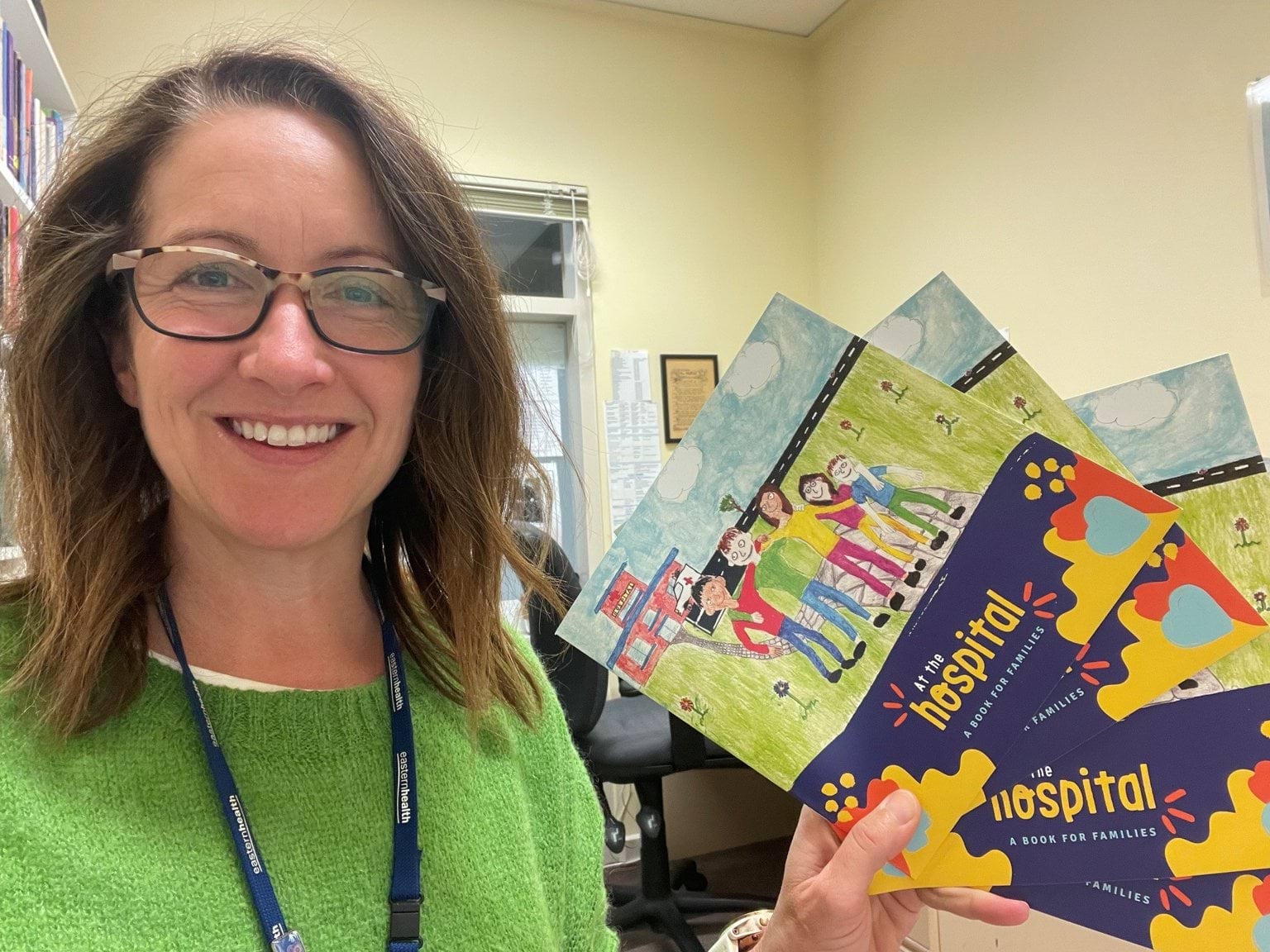
Victoria's Families where a Parent Has a Mental Illness program marks 10 years of supporting parents, children and young people across the state.
Child and Young Person Coordinator Michelle Hegarty reflects on the program’s impact and why family-inclusive practice matters.
What is the purpose of the Families where a Parent Has a Mental Illness program?
The Families where a Parent Has a Mental Illness program is a statewide initiative aimed at improving the mental wellbeing of families, in particular, parents and their children, through service development and direct supports such as peer support groups, referral to services and financial support.
Within each Area Mental Health & Wellbeing Service there is a Program Coordinator and Community Worker for Children and Young People. The Program Coordinator works within the service and its partners to promote family inclusive practice, provide training and support, and help shape policy and practice.
Community Workers for Children and Young People work with mental health and other service providers and families, to identify and respond to the support needs of children, young people, and young carers.
What does 10 years of statewide operation mean to you?
Expanding the Victorian Families where a Parent Has a Mental Illness program across the state showed a commitment to supporting families in the mental health sector.
It was a ground-breaking development in mental health service delivery! Having worked in this field for over 30 years, this was the first time across Australia that all Area Mental Health Services were staffed and funded to support families where parents have a mental illness.
Personally, I have had the opportunity to work across three states in services supporting families where parents have a mental illness. Every family’s experience is unique and every single achievement, big or small, is cause for celebration. Our services have come a long way. I look forward to seeing how they continue to develop and embed family inclusive practice into the future.
What significant changes have you seen in how services support families?
Since the statewide expansion in 2016, we have a dedicated workforce to influence and support the work of mental health services. This has helped us overcome some of the barriers to engaging with consumers about their parenting and about their children’s needs.
Staff have a growing confidence identifying children and asking about their needs and including parenting in mental health recovery. This has made a major difference. Families can receive timely and responsive support that considers the needs of the whole family. It also creates opportunities for early intervention. Families can get help when they need it, often during some of the most challenging times in their lives.
How does the program support a whole-of-family approach?
The Families where a Parent Has a Mental Illness Program has always taken a whole-of-family approach to mental health care. The program has a role in advocating for service and systems change, raising awareness of whole-of-family work, and building partnerships that make this possible.
In practice, the program encourages services to ask every consumer about their parenting role. It supports conversations about the needs of children and young people in their own right and includes the wider family system of supporters and carers.
Why is it important to recognise the needs of children and young people?
Children and young people are too often overlooked in adult mental health services. This can leave them feeling unsupported and wondering if this is their fault, or if they could have done something to prevent their parent’s mental ill health.
Families need a shared understanding of what is happening when a parent is unwell. This can help children and young people make sense of what is happening to them and their family. It can also help identify the support they need and connect them with available services.
Can you share an example of the difference the program can make?
When I was working in a local Families where a Parent Has a Mental Illness Program, I was asked to help with a Single Session Family Consultation. Dad had been unwell, and his children were unsure about what was going on. The family had been walking on eggshells.
The case manager suggested a family meeting to explain the diagnosis and to unpack for the kids what had been happening. Initially they were hesitant to talk openly in front of dad. I spoke a little about how other families have felt in similar circumstances, and what they had found helpful. I could see the relief across the room. It was okay to talk about it. It was okay to feel this way.
Dad attended a CHAMPS group (peer support program for children of parents who have a mental health concern) with the boys. During that session there was an opportunity for them to learn more about mental illness, and they realised there were other kids going through similar things. They learned how to talk about mental health together. They were able to reconnect and made plans for the school holidays.
What message would you share about family-inclusive practice?
We don’t need to be ‘family experts’ to provide family-inclusive care. We can be open to understanding each family’s situation. We can explore their experiences and help them in navigating parenting and family relationships as part of their mental health recovery.
What is the one thing you would like people to understand?
I’ve seen how important it is to walk alongside a family, sit with them and listen. Being curious and helping people feel seen and heard builds trust, connection and honesty with the consumer parent and their family.
When we meet families, children and young people where they are at, it really honours their experience. It helps them know they are not alone, that they are doing the best they can during tough times, and that there is support available if they need.
Information, resources and support is available through your local Families where a Parent Has a Mental Illness program.
Updated